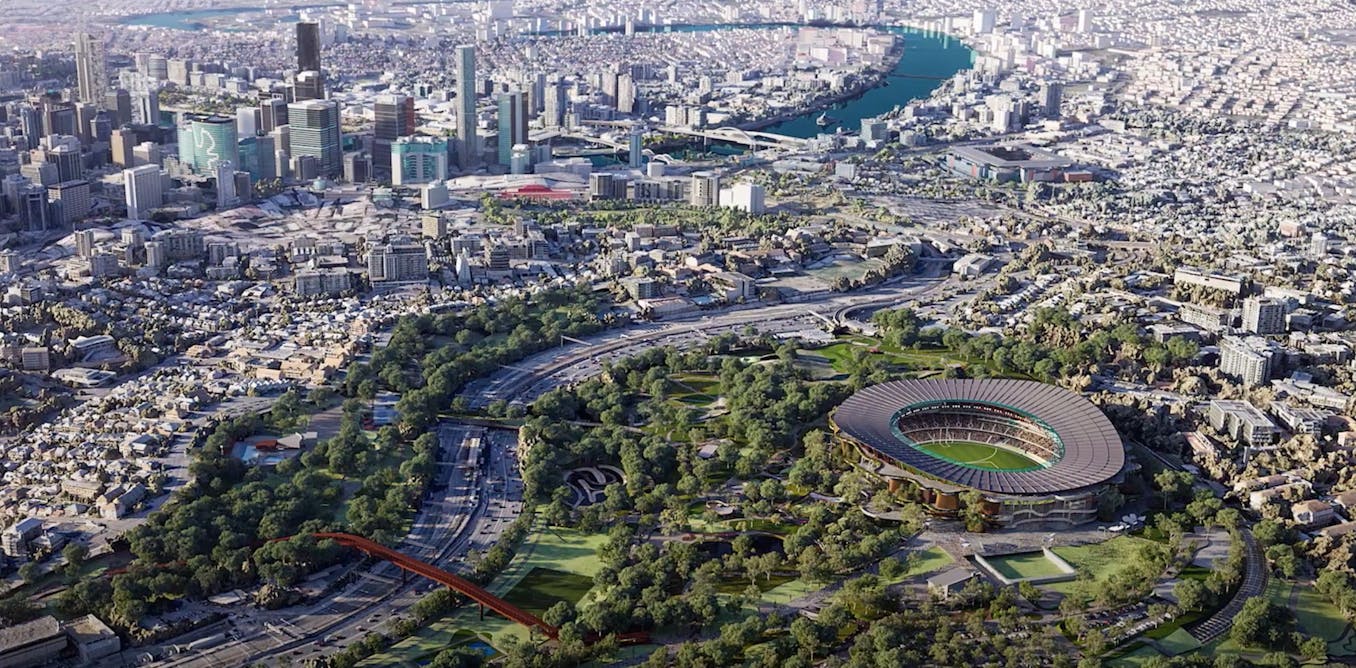
Brisbane 2032 Olympics: Sustainability Vision vs. Rising Costs
The vibrant city of Brisbane, Queensland, is gearing up to host the Games of the XXXV Olympiad and the XVII Paralympic Games in 2032. This momentous occasion, marking Australia's third time hosting the prestigious event, was envisioned as a paradigm shift for the Olympic movement – a model of sustainability and fiscal responsibility. Yet, even over a decade out, the journey for the
Brisbane 2032 Olympics is already navigating a familiar Olympic challenge: the escalating cost of delivering a global spectacle. While the initial bid championed a green and lean approach, the reality of post-selection audits has sparked crucial debates about fiscal realism and the true cost of hosting a "sustainable" Games.
The "New Norm" and Brisbane's Vision for a Sustainable Games
Brisbane's selection on 21 July 2021 by the International Olympic Committee (IOC) was unique, charting a course distinct from traditional, often contentious, bidding wars. Under the IOC's "new norm" reforms, designed to make the Games more sustainable, affordable, and impactful, Brisbane was engaged in an informal dialogue process that ultimately saw it recommended as the preferred candidate. This innovative approach aimed to eliminate costly bidding campaigns and instead focus on host cities that aligned with long-term regional development plans and could leverage existing infrastructure. To delve deeper into this revolutionary selection process, explore
Brisbane 2032 Olympics: How the New IOC Bidding Process Shaped History.
The bid for the
Brisbane 2032 Olympics was firmly anchored in a vision of unparalleled sustainability. A cornerstone of this vision was the commitment to utilize and upgrade existing venues, significantly reducing the need for new, purpose-built stadiums that often become "white elephants" post-Games. Iconic sites like the Queensland Sport and Athletics Centre, a legacy from the 1982 Commonwealth Games, were earmarked for revitalization. The plan also proposed distributing events across the broader Southeast Queensland region, including the Gold Coast, aiming to minimize environmental impact and spread the economic benefits, thereby alleviating the taxpayer burden. This emphasis on legacy and reuse was meant to be a testament to a new era of Olympic hosting.
The Unfolding Reality: Cost Overruns and Fiscal Pressures
Despite the promising sustainable framework, the dream of a lean
Brisbane 2032 Olympics is encountering significant financial headwinds. Initial cost projections for venue works and operational expenses hovered around A$7 billion – a figure presented as fiscally responsible. However, post-selection audits and detailed planning have revealed substantial overruns, fueling widespread public and political debate. This familiar pattern of Olympic cost escalation is not unique to Brisbane; empirical analyses of prior Games consistently show average cost increases exceeding 150% due to the inherent complexities of infrastructure development, logistical challenges, and evolving requirements.
The Queensland government has already had to make tough decisions, including redirecting funds initially allocated for the canceled 2026 Commonwealth Games to bolster the Olympic budget. There's an ongoing re-evaluation of venue scopes and construction plans, indicative of the persistent struggle to balance grand Olympic ambitions with fiscal realities. The longer planning period for Brisbane – 11 years, the longest in Olympic history – while offering an advantage for meticulous preparation, also means a longer timeframe for economic shifts, material cost fluctuations, and changes in political priorities that can impact budgets. For more details on this extended planning phase, refer to
Brisbane 2032 Olympics: Key Dates, Host Selection, 11-Year Plan.
The challenge lies in the inherent nature of major infrastructure projects and the Olympic Games themselves. What appears feasible on paper during the bid process often transforms when detailed engineering, environmental assessments, security requirements, and the sheer scale of delivering an event for billions of global viewers are factored in. This necessitates a delicate balancing act for the organising committee: how to deliver a world-class event without compromising the core sustainability pledge or placing an undue financial strain on the host region.
Navigating the Future: Balancing Vision with Viability
The road ahead for the
Brisbane 2032 Olympics demands innovative solutions and transparent governance to ensure its sustainability vision isn't overshadowed by unchecked spending. Here are some key considerations for navigating this complex terrain:
- Transparent Cost Management: Ongoing, public reporting of expenditures and potential adjustments is crucial for maintaining public trust and accountability. Learning from past Olympic projects, an independent oversight body could provide unbiased assessments.
- Flexible Venue Planning: Instead of rigid blueprints, incorporating flexibility into venue designs could allow for adaptation to changing economic conditions. This might include prioritizing temporary structures or modular designs that can be repurposed or removed with minimal environmental impact after the Games.
- Prioritizing Public Transport and Active Travel: A truly sustainable Games minimizes carbon footprint. Investing heavily in public transport infrastructure and promoting cycling and walking for spectators and athletes aligns with environmental goals and provides lasting urban benefits.
- Redefining "Legacy": The legacy of the Games shouldn't solely be measured by new stadiums. Emphasis should shift towards social, economic, and environmental legacies – improved public health, increased tourism, enhanced community spaces, and tangible environmental benefits like urban greening or waste reduction programs.
- Learning from Past Attempts: Brisbane’s own past, including its unsuccessful bids for the 1992 and 1996 Olympics, built significant institutional knowledge in bid preparation and venue planning. This historical experience, though not directly leading to hosting rights at the time, offers valuable lessons in understanding the complexities and potential pitfalls of such large-scale endeavours.
The tension between the visionary promise of a sustainable and fiscally prudent
Brisbane 2032 Olympics and the stark reality of rising costs presents a critical juncture for the Olympic movement. Brisbane has the opportunity to either succumb to the usual pitfalls or to genuinely redefine what a "successful" Olympic Games looks like. Success, in this context, must transcend medal counts and spectacle; it must encompass true environmental stewardship, responsible fiscal management, and a lasting, positive legacy for the people of Queensland and Australia.
Ultimately, the world will be watching to see if Brisbane can deliver on its ambitious promise – to host Games that are not only memorable but also serve as a blueprint for future generations, demonstrating that global sporting events can indeed be both grand and genuinely green.